

In a world increasingly focused on holistic living, the quest for health is no longer limited to reactive treatment. Many people are exploring sustainable approaches to prevent disease naturally, from balanced diets to lifestyle choices that nurture immunity and mental wellness.
Yet when it comes to credible guidance, one question emerges: how to access WHO guidelines on natural disease prevention in a way that is trustworthy, comprehensive, and practical. For global readers interested in evidence-based wellness, the World Health Organization (WHO) provides detailed recommendations rooted in decades of research.
This article offers a calm, reflective exploration of how to navigate WHO resources, understand the guidance, and integrate it into daily life. By combining scientific insight, real-world examples, and actionable routines, it empowers readers to make informed choices while respecting the complexity of natural disease prevention.
Natural disease prevention refers to lifestyle and behavioral approaches that reduce risk factors and strengthen resilience against illness. It encompasses nutrition, physical activity, sleep, stress management, and environmental considerations.
WHO emphasizes that prevention is often more effective and sustainable than treatment. Research published in Harvard Health suggests that even modest improvements in diet, exercise, and stress reduction can significantly lower the risk of chronic diseases such as cardiovascular conditions, diabetes, and obesity.
For many people, prevention begins with awareness. Recognizing patterns that impact health—like sedentary routines or nutrient-poor diets—provides a foundation for integrating evidence-based practices. Gangchil’s article on gut health and mental wellness in children illustrates how lifestyle factors influence both physical and emotional well-being, highlighting prevention in action.
WHO guidelines provide a global perspective, synthesizing research across countries, populations, and healthcare systems. They are crafted by experts, reviewed rigorously, and updated regularly to reflect new evidence.
For example, WHO guidance on physical activity recommends at least 150 minutes of moderate activity per week for adults and daily movement for children, emphasizing both cardiovascular and mental health benefits. Similarly, dietary guidelines stress the importance of whole foods, limited processed sugars, and hydration as preventive strategies.
Relying on WHO resources ensures that advice is not anecdotal or commercially motivated. It provides a clear framework for holistic wellness while being adaptable to local and individual contexts.
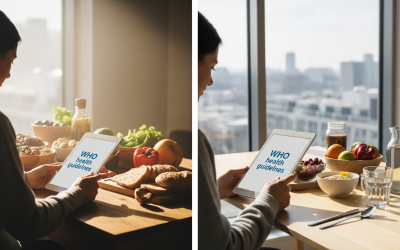
Accessing WHO guidelines is straightforward but requires knowing where to look and how to interpret the documents. The official WHO website (https://www.who.int) hosts all guidelines, reports, and fact sheets.
Key steps include:
Many guidelines are available in multiple languages, providing accessibility for a global audience. External repositories like PubMed often summarize WHO recommendations, offering additional context for research-focused readers.
WHO guidelines are evidence-based but often presented in technical language. Translating them into daily practices requires reflection and adaptation.
For instance, WHO recommends increasing fruit and vegetable intake. Translating this into action could mean meal planning with diverse produce, preparing plant-based snacks, or growing a small garden. Similarly, stress management guidance can be integrated through mindfulness practices, gentle movement, or structured downtime.
Practical adaptation ensures that preventive strategies are realistic and sustainable. Gangchil’s article on natural immunity support in winter provides actionable insights aligned with WHO principles, demonstrating how guidelines inform lifestyle choices.
Consider a family in Spain integrating WHO dietary and physical activity guidelines. By adjusting meal composition and establishing outdoor play routines, they observed measurable improvements in energy, mood, and sleep over several months.
Similarly, a community center in Sweden implemented WHO stress-reduction and movement guidelines, offering guided exercise and mindfulness workshops. Participants reported improved cardiovascular health and decreased anxiety levels.
These examples highlight that WHO guidance is not theoretical—it can be adapted to diverse lifestyles, environments, and cultural contexts, producing tangible benefits.
WHO guidelines complement, rather than replace, local medical advice. Integrating guidance with primary care, nutrition counseling, and mental health support ensures personalized and safe implementation.
For example, a patient with hypertension may follow WHO dietary recommendations while coordinating with a physician on salt intake and medication management. Evidence suggests that this combination of global guidance and personalized care produces optimal outcomes.
Tracking lifestyle changes is vital for sustainable disease prevention. WHO and associated organizations offer online tools, checklists, and mobile applications for monitoring nutrition, activity, and wellness.
Journaling, habit-tracking apps, and family engagement strategies enhance adherence. Observing improvements in energy, mood, and physical markers reinforces positive habits and encourages long-term commitment.
Even evidence-based natural prevention requires context-sensitive application. Guidelines may not account for:
WHO explicitly recommends consulting healthcare professionals when integrating preventive measures alongside medical treatment. Personal reflection, observation, and incremental change ensure safety and effectiveness.
By approaching prevention thoughtfully, individuals and families can improve long-term health outcomes while embracing a balanced lifestyle.
Where can I download WHO guidelines?
Official WHO website: https://www.who.int. Guidelines are available in PDF and multiple languages.
Are WHO recommendations suitable for children and adults?
Yes, they include age-specific guidance for children, adolescents, and adults.
Can WHO guidelines replace medical advice?
No. They complement healthcare consultations and should be adapted to individual needs.
How often are WHO guidelines updated?
Guidelines are regularly revised to reflect emerging research, typically every few years or after significant studies.
Are there practical tools to follow WHO recommendations?
Yes, WHO offers checklists, apps, and downloadable resources for diet, activity, and lifestyle tracking.
Learning how to access WHO guidelines on natural disease prevention opens a pathway to informed, holistic wellness. By blending evidence-based recommendations with reflective lifestyle choices, global readers can cultivate resilience, energy, and well-being sustainably.
If this article resonates, share your experiences or questions in the comments—your insight could guide someone else toward informed, natural disease prevention.
Posted 5:05 pm | Monday, 09 February 2026
TheGangchil | nm